
Build an approval‑ready credit profile
Understand what’s driving your credit decisions, identify items that may be unfair or inaccurate, and take a structured next step toward stronger approvals and better terms.
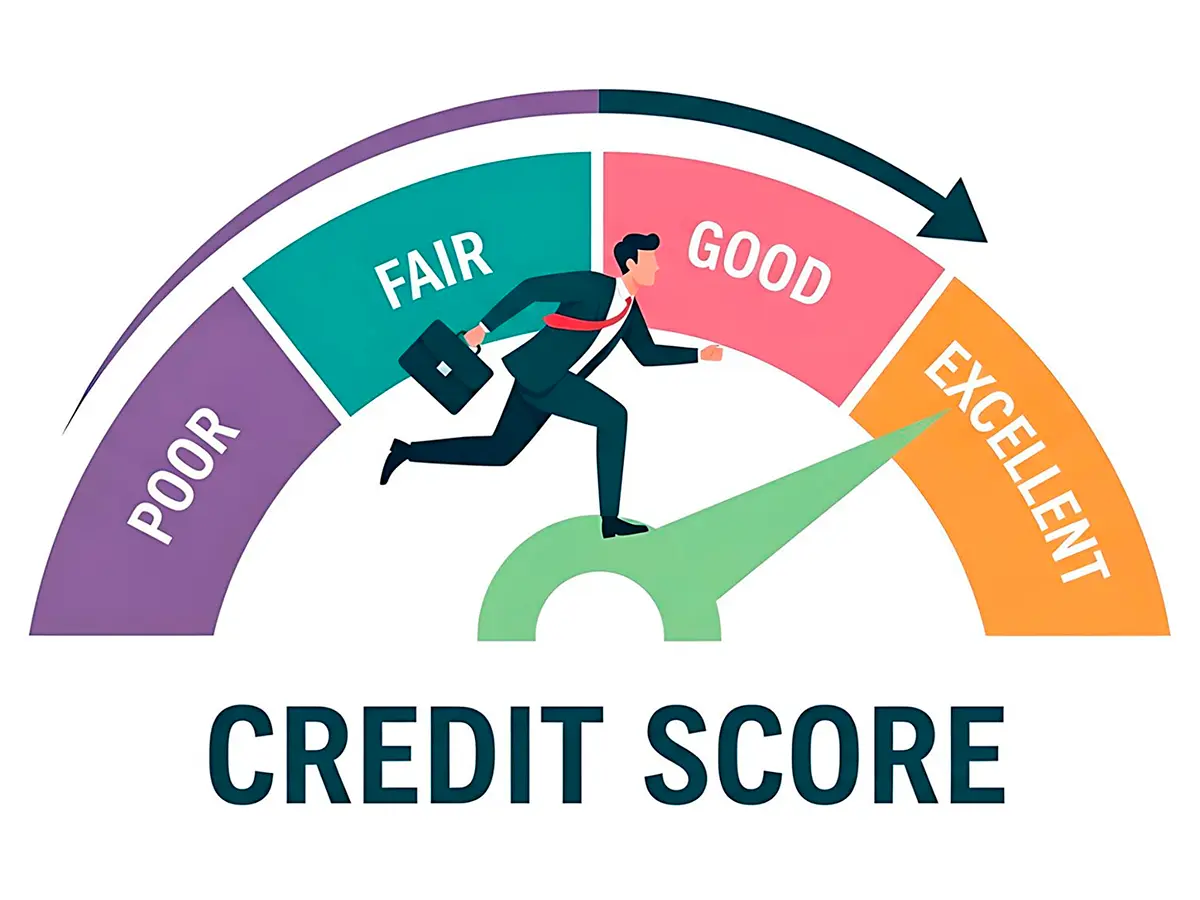
Built around established U.S. credit reporting practices and dispute procedures under the Fair Credit Reporting Act (FCRA). No unrealistic promises—just clarity, documentation, and structured credit improvement.
Unlock more options
Choose the outcome you care about. We’ll outline what improves it—and what to watch for—so you can move forward with confidence.
Your path to stronger credit
A stronger credit profile can mean better approval odds, improved loan terms, and more financial flexibility. Get a clear, no-fluff overview of what credit improvement can help you achieve — then take the next step when you're ready.
Credit decisions in the U.S. are typically influenced by payment history, utilization ratios, account age, recent inquiries, and the accuracy of reporting across major credit bureaus.
Even small inconsistencies can affect lending algorithms. A structured credit improvement approach focuses on verified data, responsible usage patterns, and consistent financial behavior.
*Results vary. This page does not guarantee outcomes.
How it works
A straightforward workflow used by reputable credit‑support programs: review, challenge what’s questionable, and build stronger habits while updates are processed.

Review your starting point
Clarify your goal and look at what’s currently affecting approvals and terms.

Identify what can be challenged
See what information is typically needed, what to expect next, and how the workflow usually looks.

Move forward
Continue to explore available options and take the next step toward better credit outcomes.
how to repair your own credit with calm, practical steps
I approach credit repair like a triage nurse: stabilize first, then treat, then strengthen. No magic. Just transparent moves in the right order so effort isn't wasted.
Set priorities with a clear snapshot
Start by seeing everything at once. Clarity lowers stress and surfaces quick wins.
- Pull free reports from all three bureaus. Save PDFs and note the dates.
- List every account with balance, status (current/late/collection), limit, and interest rate.
- Circle anything 60 - 120 days late or misreported. These have outsized impact.
- Define your near goal: approval for an apartment, a car refi, or simply fewer fees. Priorities guide choices.
Fix errors with documentation
Disputes work best when they're factual, concise, and supported.
- Match each negative item to your records. Look for wrong dates, balances, limits, or duplicate collections.
- Dispute with the bureau that shows the error. Attach statements, payoff letters, or identity documents as needed.
- Log confirmations and set a 35-day reminder. Most investigations close within 30 days.
- If a clear error remains, submit a calm, evidence-led complaint to the CFPB. Keep your paper trail tight.
Tackle balances strategically
Stabilize payment history first; shape utilization second; then negotiate the tricky stuff.
- Bring every open account current. A fresh 30-day late hurts more than an old collection. Autopay minimums to prevent new dings.
- Lower utilization before the statement cut date. Aim under 30% per card and overall; under 10% is stronger. Timing matters because reports update after statements.
- Ask for a soft-pull credit limit increase to widen your utilization cushion. Decline if a hard pull is required and you're shopping for credit.
- Do not close old, fee-free cards right now; age and limits help the score.
Collections, settlements, and late marks
- Validate new collection notices within 30 days. Pay only after the debt is verified.
- Consider "pay for delete" only with written agreement. Otherwise pay and ensure it reports as paid with a $0 balance.
- Send goodwill letters to original creditors after you're current, especially for one-time slips with strong history.
- Know your state's statute of limitations before acknowledging old debts; avoid resetting the clock unintentionally.
Build positive signals
Scores rise faster when new, consistent data offsets the past.
- Use a small recurring charge on a major card and pay in full monthly.
- If thin credit: a secured card or a credit-builder loan can establish on-time streaks.
- Authorized user status on a well-managed, low-utilization, long-aged card can help - ensure perfect payment history first.
Real-world moment: three months after I timed payments to cut dates and removed one duplicate collection, my apartment application sailed through; the leasing agent simply nodded, and I quietly exhaled.
Track and protect
- Monitor scores (FICO if you're mortgage/auto focused; VantageScore is fine for trends).
- Set balance and payment alerts. Catch surprises early.
- Dispute duplicate hard inquiries from the same lender when not part of rate shopping.
- Freeze your credit to block unauthorized accounts while you rebuild.
Timeline and expectations
Most clean disputes resolve in 30 - 60 days. Utilization fixes post within a cycle. A 12-month streak with no lates is quietly powerful. Progress may feel slow, then arrives all at once. Stay methodical, write everything down, and choose the next most important action. Hope is earned here - patiently, and it sticks.
Upsolve is a 501(c)(3) nonprofit that started in 2016. Our mission is to help low-income families resolve their debt and fix their credit using free software ...
1. Check Your Credit Report - 2. Dispute Credit Report Errors - 3. Bring Past-Due Accounts Current - 4. Set Up Autopay - 5. Maintain a Low Credit ...
But using services like credit counseling if you're having trouble can actually help you move forward faster instead of setting you back. Completing a debt ...
Frequently asked questions
A clear next step — without the guesswork
See what’s impacting approvals and what may deserve a closer look.
Understand how disputes are structured and what documentation matters.
Improve utilization, consistency, and long-term credit stability.
See what improving your credit could change
Take a structured next step based on your current profile — and decide with clarity.